
 Posted by
 I don’t exactly remember how I first discovered Eric Johnson, but if I had to guess, it was probably because of my buddy Pat, Guitar for the Practicing Musician magazine—or more likely, a combination of both.
Pat wasn’t just my best friend; he was the guitarist who continually expanded my musical horizons. A couple of times each week, my grandmother would drop me off at his house, where we’d spend hours “jamming.” More often than not, he’d introduce me to the latest guitarist who had captured his attention and the songs he was learning. It wasn’t long before he handed me Eric Johnson’s Tones. From the first listen, I was hooked.
The timing couldn’t have been better. While the airwaves were becoming saturated with the polished pop sounds of the late ’80s, or as I fondly called it “Euro-trash”, I found myself gravitating toward instrumental guitarists whose technical brilliance inspired me to become a better player. Eric Johnson quickly joined the ranks of musicians like Yngwie Malmsteen, Vinnie Moore, Steve Vai, and Joe Satriani—artists whose albums became regular fixtures in my cassette deck.
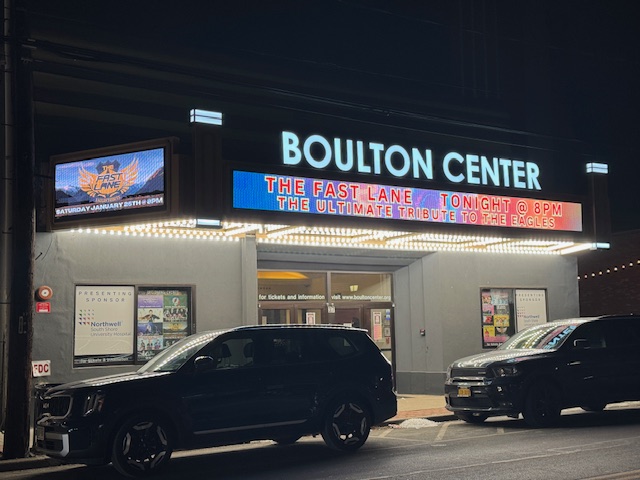
Years later, while following Eric on Facebook, I noticed a post announcing two free tickets to one of his upcoming performances at The Boulton Center for the Performing Arts in Bay Shore. There was only one catch—you actually had to be local and promise to use them. I entered, never expecting much, and to my surprise, I won.
That evening became my introduction to one of Long Island’s hidden gems.
At the time, I was still finding my footing in concert photography. Winning the tickets never prompted me to think about requesting a photo pass, and I’m not even sure if Long Island Sounds—or my old Facebook concert photography page—existed yet. Most of my photography at the time revolved around Manhattan venues, particularly The Iridium, but that’s a story for another day.
As memorable as Eric Johnson’s performance was, I had no idea that the theater itself had such a remarkable story.
Designed by renowned theater architect John Eberson, the building originally opened as an elegant neighborhood movie house during the golden age of cinema. Like many independent theaters, however, it eventually fell on hard times. During the 1960s and 1970s it experienced a dramatic decline, operating briefly as an adult theater and later as an unsuccessful nightclub before ultimately closing its doors in the late 1980s.
Its fortunes changed in 1997 when Long Island Ducks founder and philanthropist Frank Boulton and his wife, Karen, purchased the abandoned building with a vision of transforming it into a cultural centerpiece for the community. They donated the property to the Great South Bay YMCA, which invested nearly $2 million into a complete renovation. In 2003, the beautifully restored 260-seat stadium-style venue reopened as the YMCA Boulton Center for the Performing Arts.
For nearly twenty years, the intimate theater welcomed an impressive variety of nationally recognized artists, including Richie Havens, The Jonas Brothers, and Timothy B. Schmit of the Eagles, while also providing a home for community theater productions, comedy shows, educational programs, and art classes.
Like so many performing arts venues, the pandemic dealt a devastating blow. The theater closed in March 2020 and remained dark for nearly three years due to financial hardships. Thankfully, the story didn’t end there. In May 2023, the Boulton family once again stepped forward, repurchasing the building from the YMCA and establishing the non-profit Great South Bay Arts and Entertainment Foundation to oversee its future. Following extensive renovations and a much-needed facelift, the theater proudly reopened in November 2023.
Ironically, that’s when I really began to notice what The Boulton Center had become. It wasn’t simply another venue booking tribute bands and touring musicians—it had evolved into a place where nationally recognized artists could perform in an intimate setting that few larger theaters can replicate. The experience feels less like attending a concert and more like spending an evening with the artist.
As Long Island Sounds continued to grow, I naturally began reaching out to artists and their publicists for photo credentials whenever they appeared at The Boulton Center. I honestly can’t remember who the first performer was that I photographed there, but before long I found myself becoming familiar with many of the theater’s staff members. It became a relationship that benefited everyone involved. By promoting the artists through my photography, I was also introducing more people to this incredible venue.
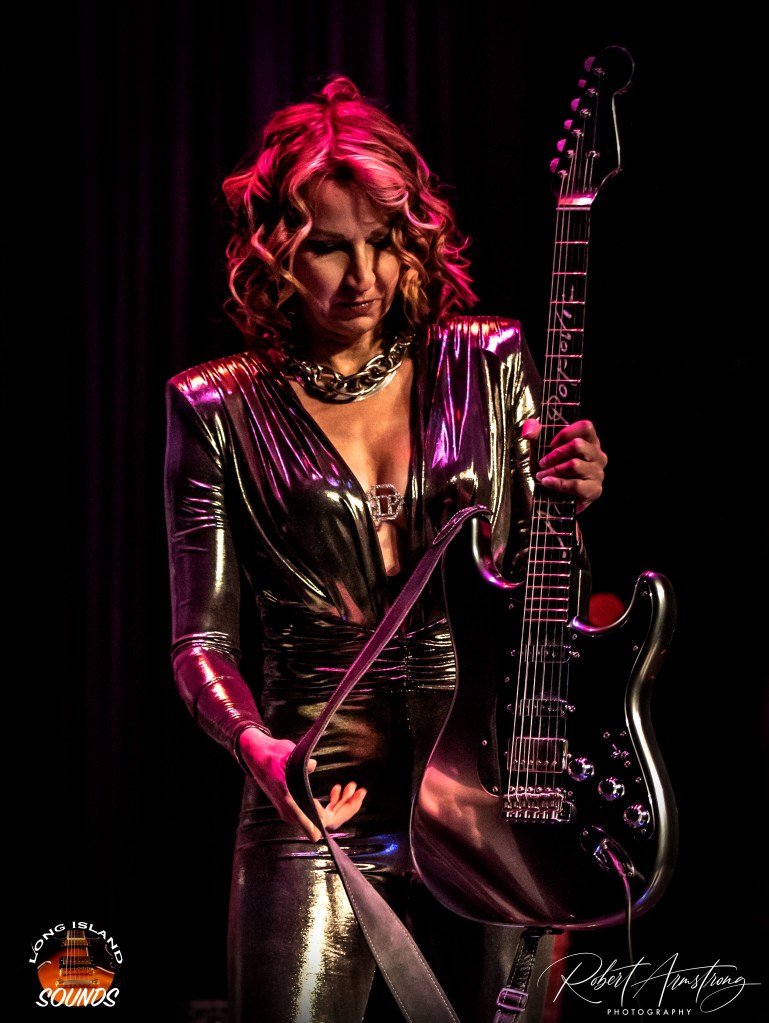
Over the past few years, I’ve had the privilege of photographing an impressive variety of performers within its intimate walls. National touring artists such as Tim Reynolds, Vanessa Collier, and Ana Popovic have all graced the Boulton Center stage, while some of the region’s finest tribute productions—including Last Child (Aerosmith), Fleetwood Macked (Fleetwood Mac), Completely Unchained (Van Halen), Absolute Adele, and Fast Lane (The Eagles)—have demonstrated why tribute bands continue to thrive across Long Island. Every performance has reinforced what makes this venue special: there isn’t a bad seat in the house, and every show feels personal.
The relationships I developed at The Boulton Center extended beyond photography. Venue Manager Ben, whom I’ve had the pleasure of getting to know over the years, generously opened the theater’s upstairs VIP lounge so I could record several episodes of my podcast. Sitting down with guests such as Jeff Allegue, J.D. Leonard, and Gina Bilardi in such a unique setting added another dimension to what the theater has come to represent for me. It’s more than a performance venue—it’s become a place where musicians, photographers, and music lovers come together to celebrate the local music community.
Today, The Boulton Center remains one of my favorite places to experience live music. Its rich history, exceptional acoustics, welcoming staff, and carefully curated lineup continue to make it one of Long Island’s cultural treasures. Whether you’re attending your very first concert there or your fiftieth, chances are you’ll leave feeling like you experienced something far more intimate than a typical night out.



 Long Island Sounds