 Posted by
 I am a product of the ’70s, and I have always loved the music of that era—especially what we now call Classic Rock. That was my music. Early Van Halen, AC/DC, Led Zeppelin and Deep Purple were among my favorites, and there were plenty of bands from the ’80s that found their way onto my list as well. Def Leppard, Journey and Foreigner immediately come to mind.
The music may still be with us, but seeing the original artists perform it live has become another story altogether. Some no longer tour. Others do, but time has a way of changing things. Maybe the lead singer can no longer hit those impossible notes, or perhaps the wild stage acrobatics and larger-than-life performances that once defined a band have become a little more reserved.
Maybe that is one reason tribute bands have developed such a loyal following.
But what makes a great tribute band?
For me, it takes more than walking onto a stage and playing a collection of greatest hits. The musicianship has to be there, of course, but so does the personality. The best tribute bands capture something beyond the songs. There is the look, the sound, the mannerisms, the energy and, in some cases, the theatrical transformation that helps transport an audience back to another time.
I have seen bands such as Completely Unchained, Ozzmosis NY, Bad Animals, Rock of Ages and others bring those elements to the stage. Some recreate the visual personalities of the artists they portray with costumes, instruments and hairstyles. Others capture the attitude and musical chemistry that made the original band special.
That brings me to Michael Ledesma.
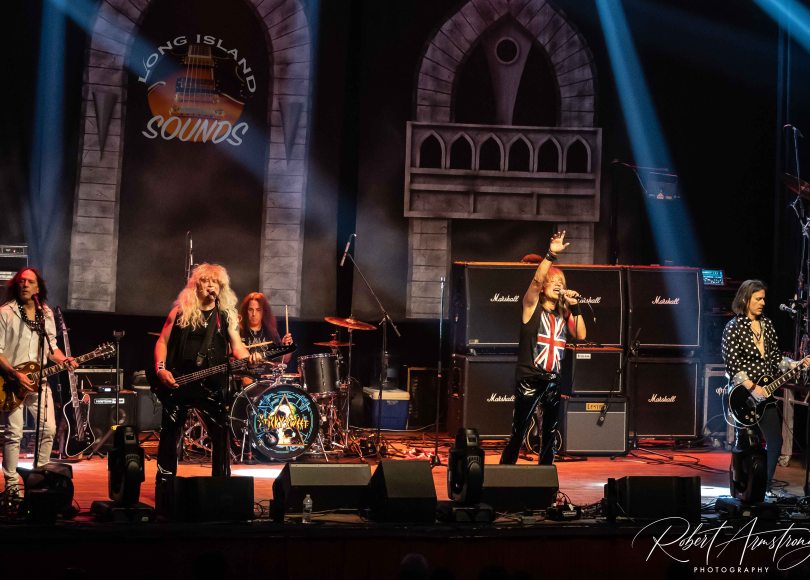
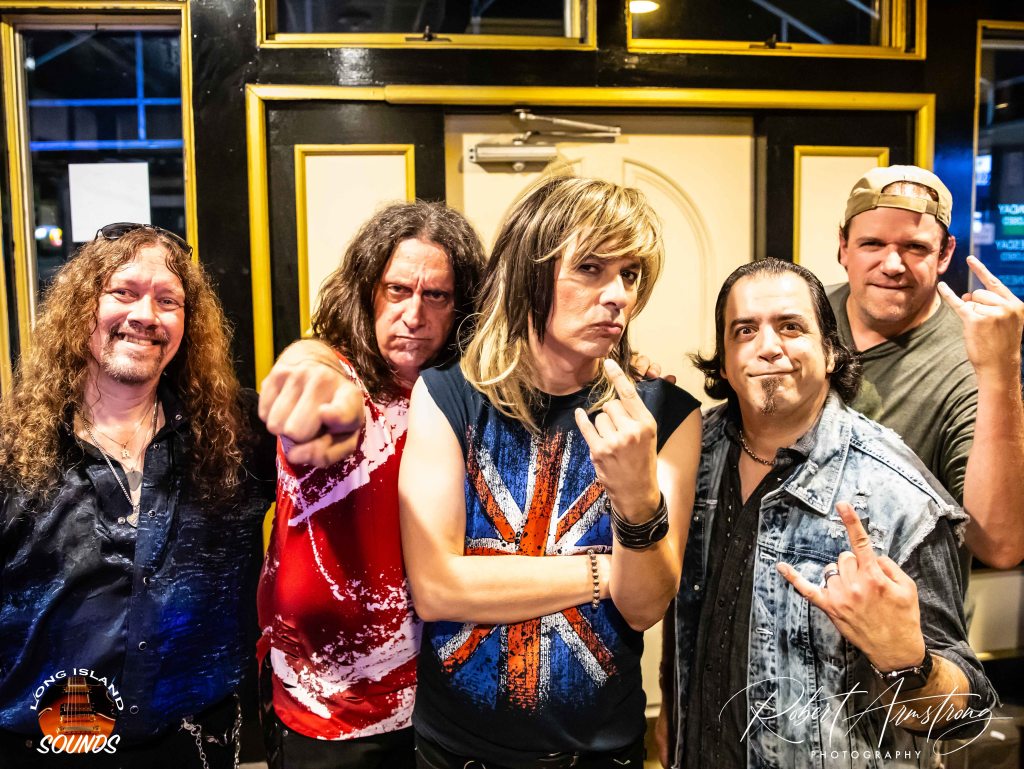
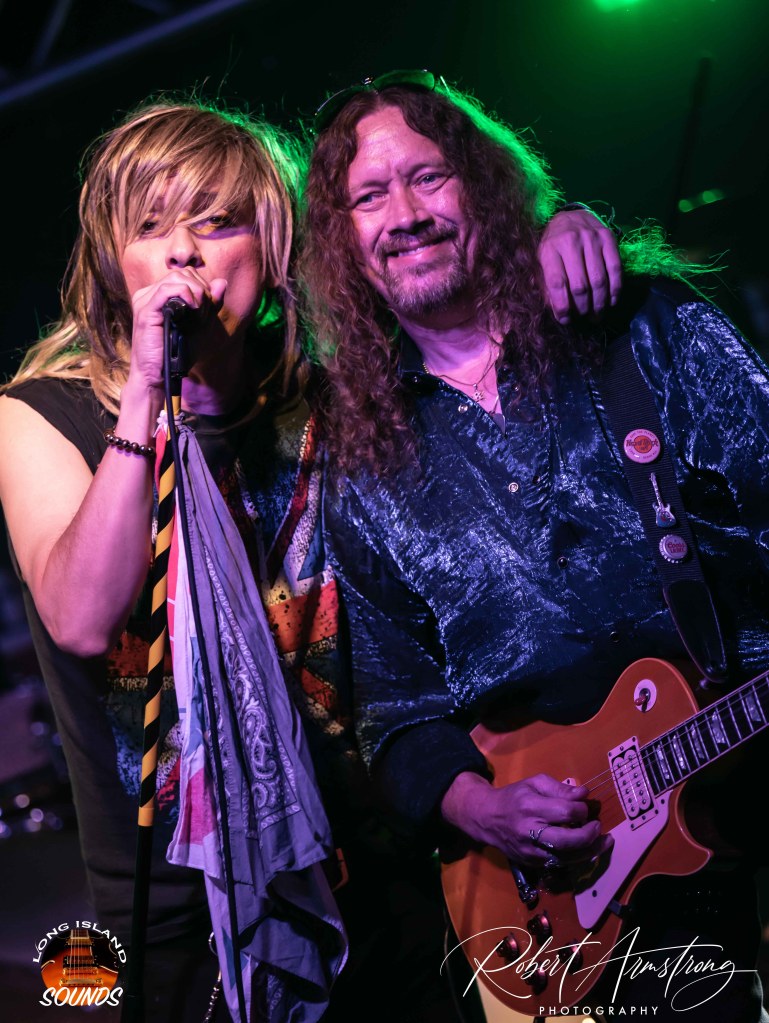
I don’t quite remember exactly how Michael and I first became acquainted, but I do remember seeing him front Rock of Ages, a Def Leppard tribute band, during what was also my first visit to Mulcahy’s Pub & Concert Hall. The band featured Michael alongside Rik Navrone, Russel Bresloff and Chris Failla on guitars, with Don Huerter on drums.
At the time, I was simply experiencing another talented tribute band on the Long Island music scene.
I would soon learn there was much more to Michael Ledesma’s story.
More Than One Rock Star
I later had the opportunity to see Michael front Head Games, the Foreigner tribute band, at The Paramount. The band had added new players to its lineup, including Damiano Christian on lead guitar and Chris Tristram on bass, and I was impressed by the chemistry the musicians brought to the stage.
But for me, the real test was standing right in front of the band.
Could Michael Ledesma do Lou Gramm justice?
The answer, from what I witnessed that night, was yes.
Foreigner’s music isn’t easy to sing. Songs such as Hot Blooded, Double Vision, Cold As Ice and Head Games demand a vocalist capable of handling the power, range and intensity that made Lou Gramm one of the great rock voices of his generation.
Michael hit the notes and delivered the performance with the kind of energy I believe a tribute frontman needs. The audience wasn’t simply hearing a singer perform Foreigner songs. They were experiencing a performance designed to capture the spirit of Foreigner.
That seems to be the difference with Michael.
He doesn’t simply front one tribute band.
He becomes several different frontmen.
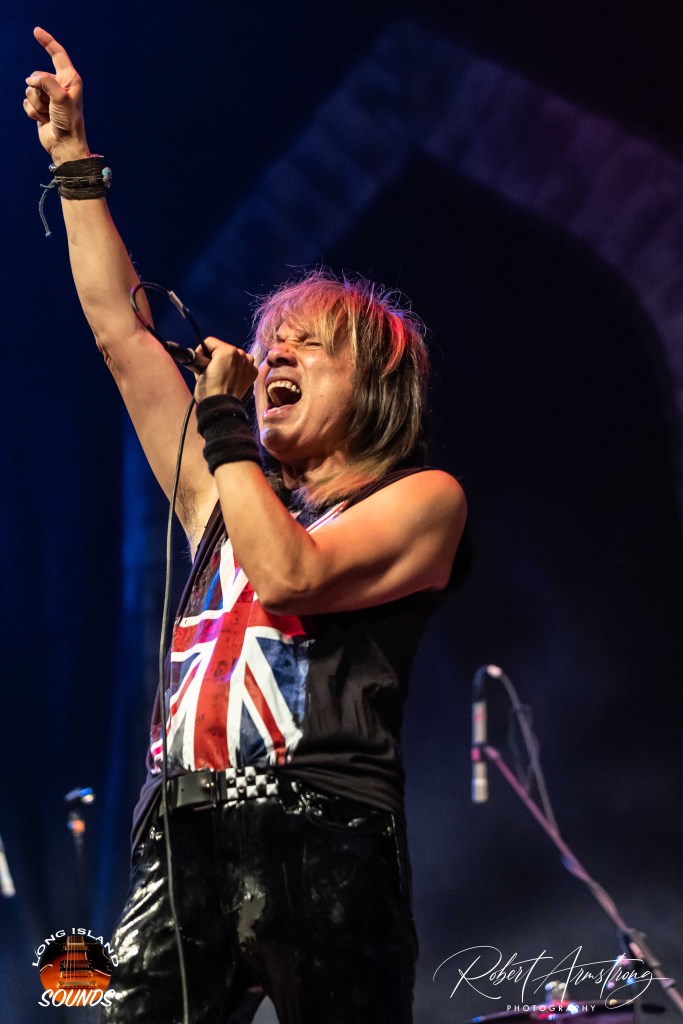
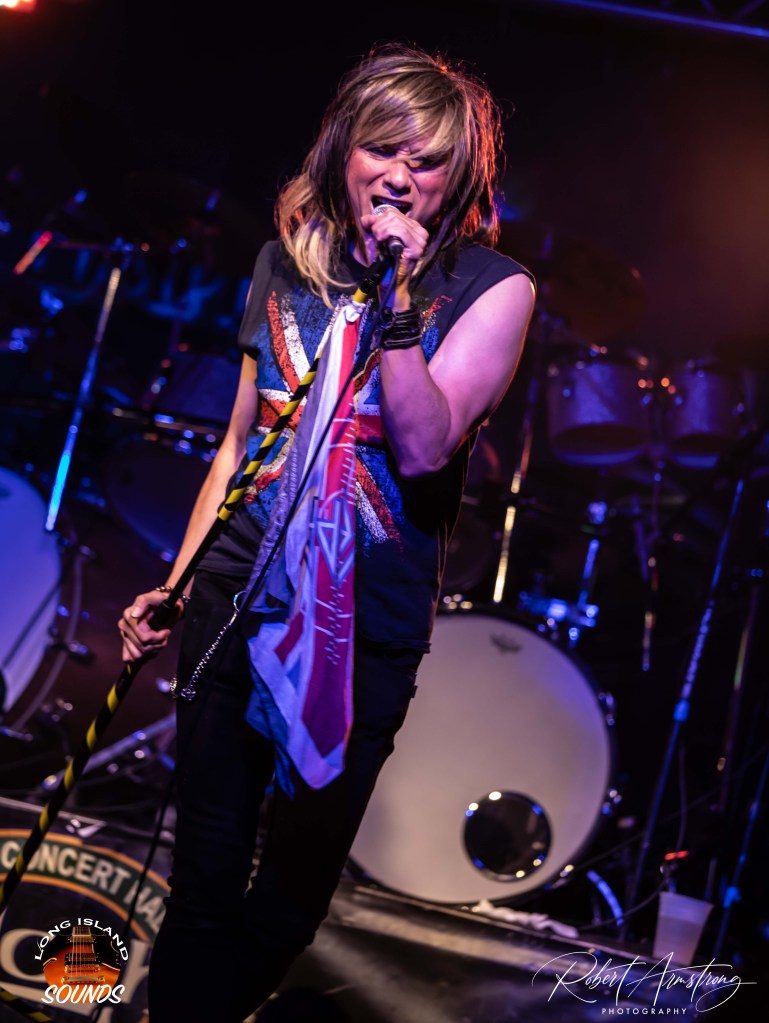
With Sticky Sweet, Michael steps into the world of Def Leppard and the distinctive vocal style and visual presence associated with Joe Elliott. With Head Games, the challenge becomes the powerful and unmistakable voice of Lou Gramm. He also fronts Almost Journey and LEGEND, taking on another demanding collection of classic rock music and vocals.
I have to admit, however, that Almost Journey remains one Michael Ledesma performance I have yet to experience.
And I may be a little nervous about that one.
I have an immense respect for Steve Perry’s vocals. Journey is sacred territory for me, and anyone who attempts to step into that world has some pretty big shoes to fill. Hitting the notes is one thing. Making a lifelong Journey fan believe them is something else entirely.
So perhaps I am almost afraid to see Almost Journey.
Almost.
But knowing what I have already seen Michael accomplish with the music of Def Leppard and Foreigner, I suppose I really need to experience that transformation for myself.
A Career Built Long Before the Tribute Stage
Michael’s story did not begin with tribute bands.
His musical career spans more than five decades, beginning with his early experiences in the New York music scene. As a teenager during the mid-1970s, he was a member of the Bronx-based R&B/funk band Devoshun, a group that signed a major record deal and found national success with the single No, No, No My Friend.
From there, his musical journey continued through jazz fusion, session work and the New York rock scene. Michael performed in bands including Nexus and Montage before eventually transitioning into the role that many of us now associate with him—the lead vocalist.
During the height of the glam and heavy metal era, he fronted bands including Panther, Next of Kin and Hangtown, performing in some of New York City’s prominent rock clubs.
His experience eventually extended behind the scenes as well, where his understanding of music and technical production led him to work as a staff producer for RCA Records, spending time inside major New York recording studios and working alongside some of the industry’s most accomplished professionals.
That long and varied background may help explain why Michael approaches tribute performance differently.
He isn’t simply reproducing a playlist.
He is building a character.
From Clark Kent to Superman
Michael has described his transformation into the artists he portrays as something of a “Clark Kent and Superman” experience.
That description makes perfect sense.
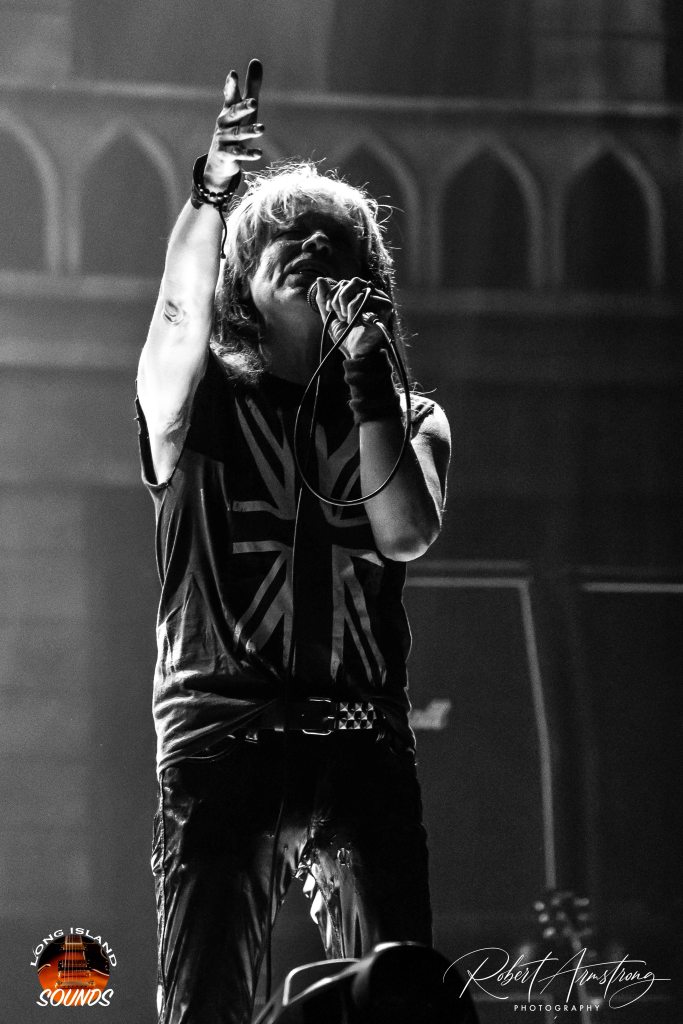
The wigs, costumes and visual details are not simply gimmicks. They are part of the transformation. They help complete the illusion for the audience while allowing Michael to step away from himself and into the personality of the performer he is portraying.
And that is where the art of a great tribute act really begins.
Anyone can put together a setlist of familiar songs. But the best tribute performances require musicians to understand what made those artists special in the first place. The vocal inflections. The body language. The stage presence. The personality. The chemistry between the musicians.
It is one thing to sing a Def Leppard song.
It is another thing to convince an audience, even for a few hours, that they have stepped back into the arena-rock experience that made Def Leppard larger than life.
The same can be said for Foreigner. Or Journey.
Michael Ledesma has spent much of his life developing the skills necessary to make those transformations believable.
A Long Island Tribute Legend
When I first saw Michael with Rock of Ages, I didn’t know the full story behind the man standing at center stage.
I didn’t know about the teenage musician who had experienced national chart success. I didn’t know about the jazz fusion guitarist, the New York rock frontman or the recording industry professional. And I certainly didn’t yet appreciate the remarkable versatility required to convincingly perform the music of several of rock’s most recognizable frontmen.
Over time, I came to realize that Michael Ledesma represents something that I have always believed separates a good tribute band from a great one.
It’s not enough to play the songs.
You have to understand the experience.
Whether he is stepping into the world of Joe Elliott, Lou Gramm or Steve Perry, Michael brings decades of musical experience to the transformation. The costumes and hairpieces may help create the visual illusion, but they only work because there is a lifetime of musicianship, performance and experience behind them.
And perhaps that is what makes Michael Ledesma deserving of the title Long Island Tribute Legend.
Because when the music starts, Clark Kent steps aside.
And Superman takes the stage.
 Long Island Sounds