
 Posted by
 As another Long Island summer begins to wind down, there may be no better time to look back at one of the region’s most recognizable outdoor concert experiences: Northwell at Jones Beach Theater.
For decades, the venue has offered something few concert locations can replicate. There is the music, of course, along with the anticipation of seeing a favorite artist take the stage. But there is also the open sky, the coastal air, the changing light as the sun begins to set, and the water surrounding a venue that has always had a personality of its own.
For me, Jones Beach has also become part of the continuing story of Long Island Sounds & Beyond.
If You Don’t Ask, the Answer Is Already No
As Long Island Sounds began expanding its audience, I found myself reaching for bigger opportunities. I began contacting publicists, PR representatives, management teams, and touring productions in an effort to photograph artists who, quite honestly, had spent years on my own personal bucket list.
At the level I was at, still growing and attempting to establish myself beyond the local scene, I knew there would be plenty of “no” responses ahead of me.
But I have always believed in a simple philosophy:
If you don’t ask, the answer is already no.
So I asked.
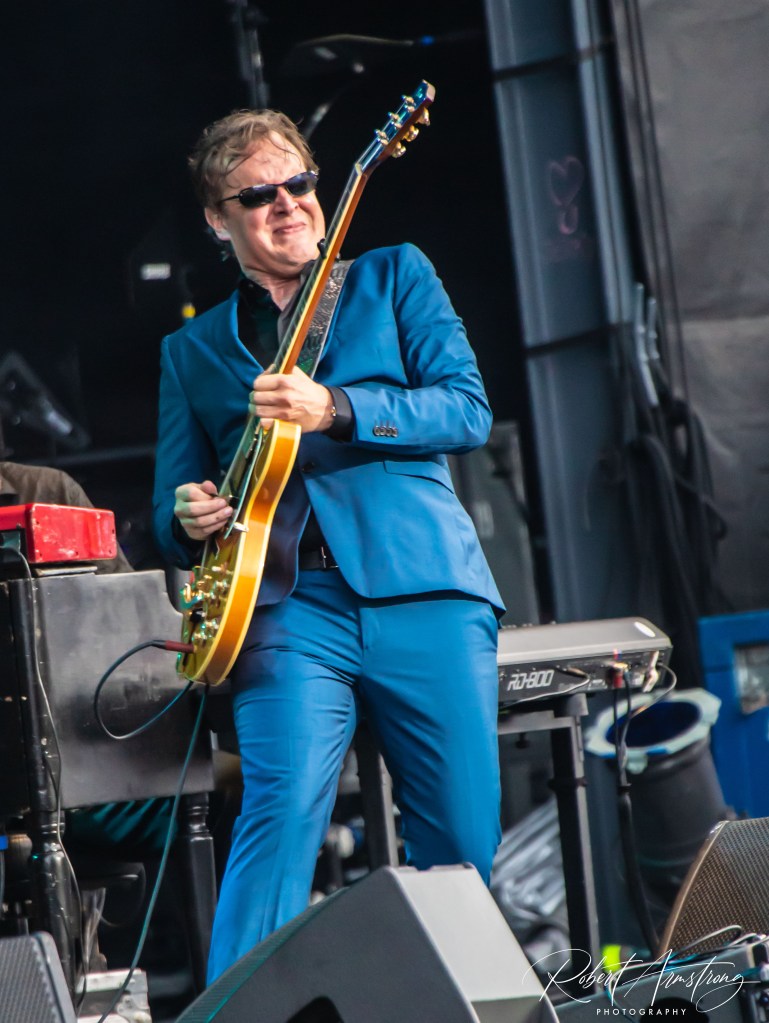
Some of those opportunities came through relationships and contacts I had developed years earlier during my time as an Entertainment Manager at Seneca Niagara Resort & Casino. Others came through the growing network I had built as a photographer. I honestly cannot remember which major touring production was the very first to grant me approval at Jones Beach, although I believe it may have been the Joe Bonamassa, Kenny Wayne Shepherd and Jason Bonham’s Led Zeppelin Evening show.
What I do remember is what followed.
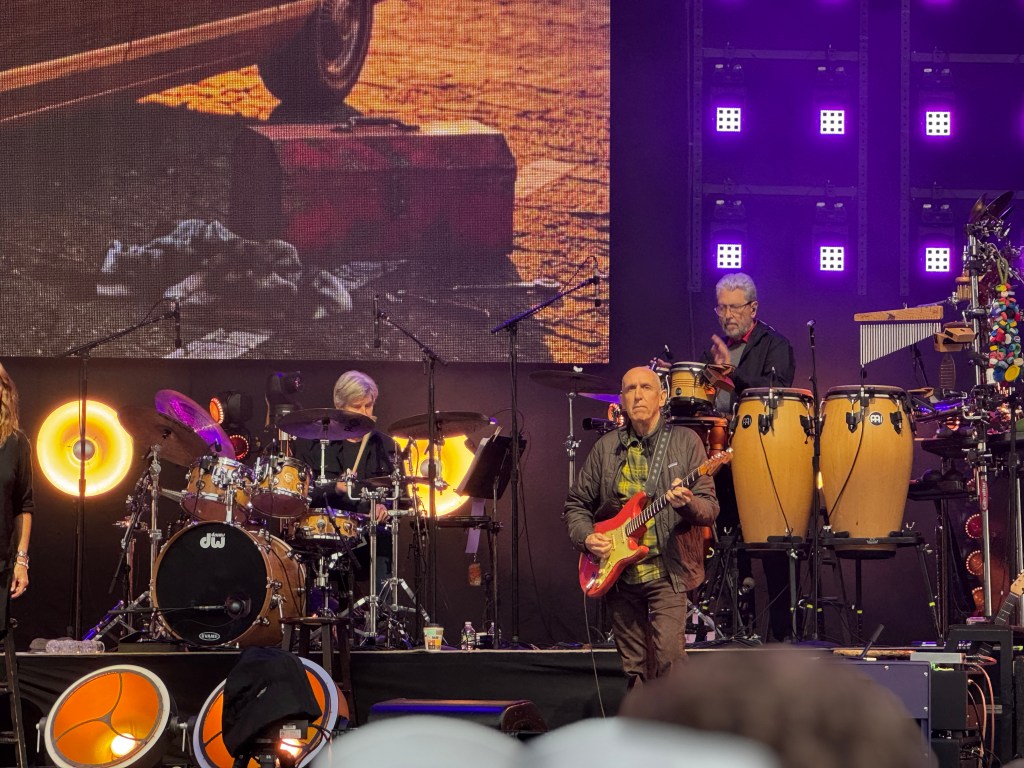
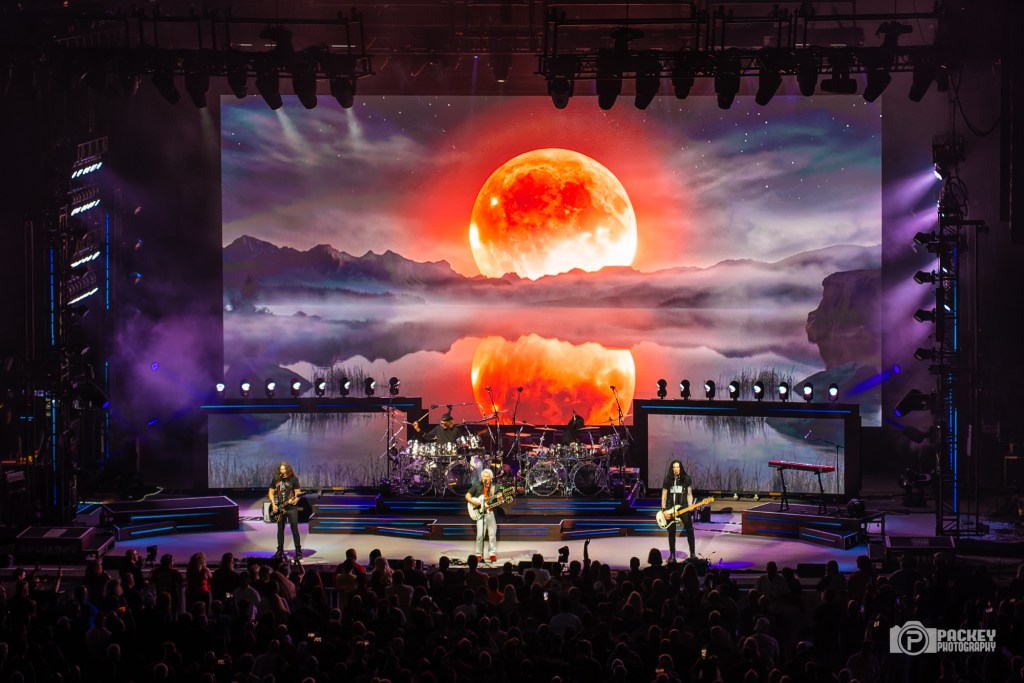
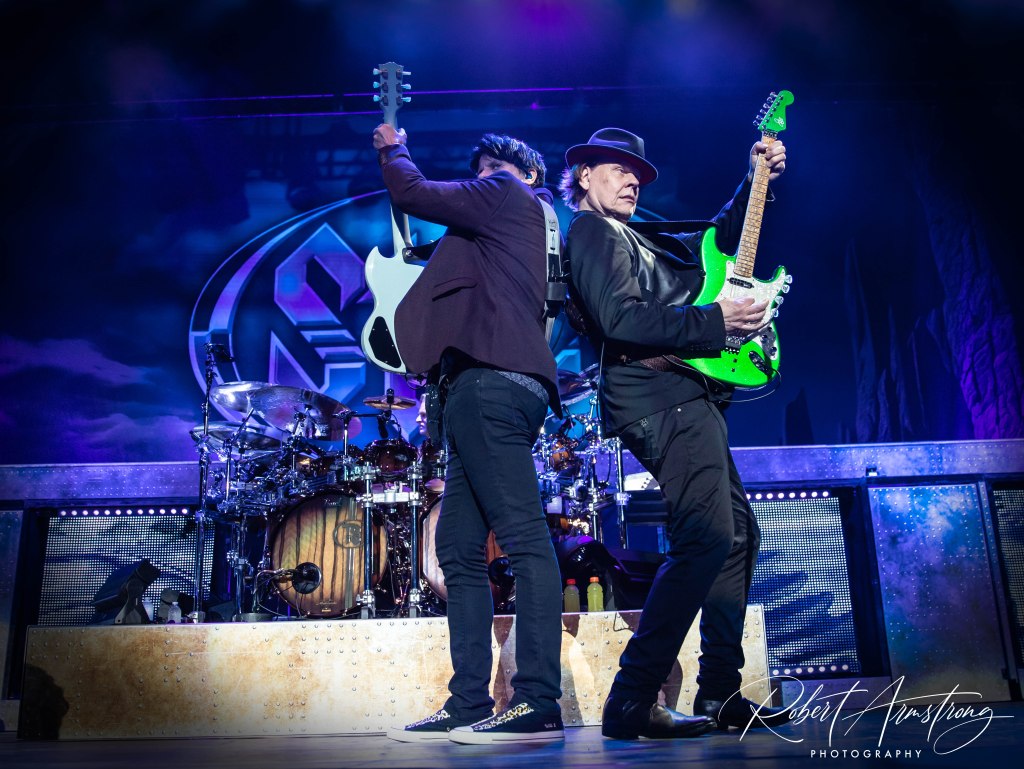
Over time, the list of shows began to grow, along with my portfolio and the galleries on my websites. Some of my personal highlights have included opportunities to photograph Joe Bonamassa, Styx, Toto, Kenny Wayne Shepherd, Don Felder, Mudvayne, GWAR, Santana, and others.
There have also been opportunities that I did not personally cover behind the camera. As Long Island Sounds continued to grow, a fellow photographer approached me and asked whether she could contribute her work under the Long Island Sounds umbrella. All I could really tell her was that I would ask.
She did—and that opened another door.
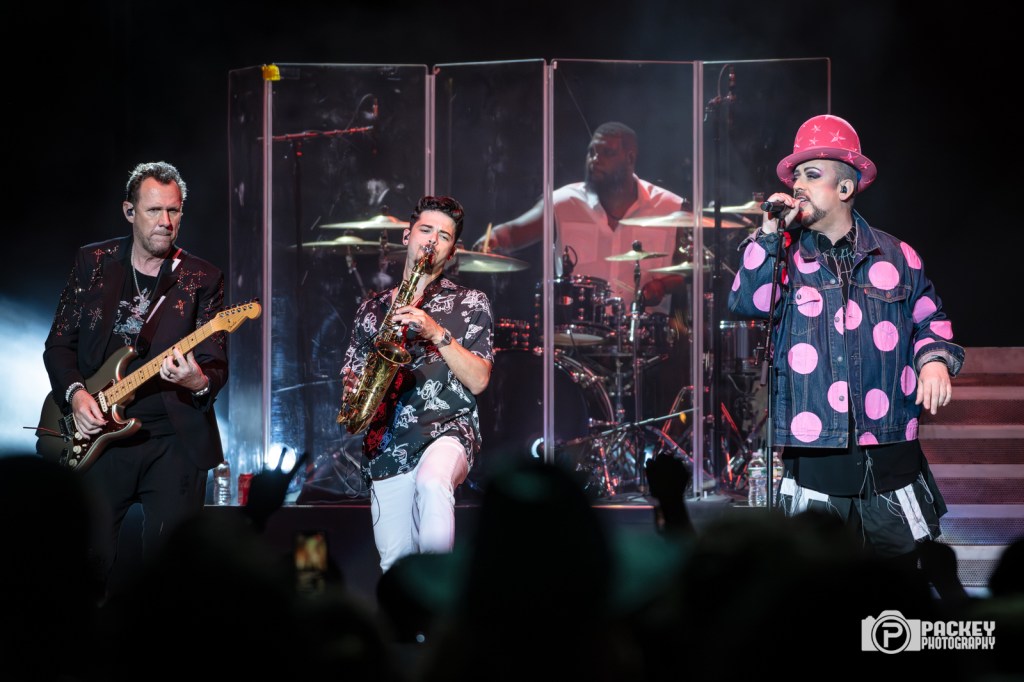
Through her contributions, Long Island Sounds has also been able to share images of artists including Howard Jones, 311, Triumph, April Wine, Boy George, and others. To see Long Island Sounds growing beyond my own camera and beginning to make genuine headway has been something I am incredibly proud of.
And Jones Beach has become one of the stages where that growth has been especially visible.
A Theater Built for the Water
Jones Beach Theater was originally conceived as part of Robert Moses’ larger vision for Jones Beach State Park. Opening in 1952 as the Jones Beach Marine Theater, the venue was designed as something far different from the concert amphitheater many people know today.
Water was literally part of the original stage design.
A body of water separated the stage from the audience, and early productions made creative use of that setting. Musician and bandleader Guy Lombardo became especially associated with the venue, with performers—and Lombardo himself—famously making entrances by boat.
Over time, the theater evolved. By the 1980s, the venue began shifting toward major mainstream concerts, and renovations transformed the original Marine Theater into the large outdoor concert venue it is today. The water gap was eventually filled, seating was expanded, and Jones Beach became capable of hosting the major rock, pop, country, and touring productions that have helped define its modern identity.
Today, with a capacity of approximately 15,000, the venue remains one of the most distinctive places to experience live music on Long Island.
And while the original Marine Theater may have changed dramatically over the years, the water has never really stopped being part of the experience.
The Orchestra B “Lake”
There is one section of Jones Beach that has developed something of a reputation among concertgoers: Orchestra B.
Located front and center of the stage, it is an incredible place to watch a concert—until the water decides to make an appearance.
The section has a slight depression near its center, and during heavy rain or certain high-tide conditions, water can collect and create an impressively large puddle. I have even seen people jokingly refer to it on Facebook as the “Orchestra B Lake.”
No, it does not get deep enough for sharks to start swimming through the audience—although if it ever did, perhaps fishnets should be available at the box office.
But if you have tickets in Orchestra B, especially when rain or high-water conditions are possible, you might want to think twice about wearing your best shoes.
I know.
I’ve been there.
Perhaps the best proof that a connection doesn’t guarantee a credential came when James Taylor brought his tour to Jones Beach. I knew Michael Landau, one of the extraordinary musicians in Taylor’s band, and had worked with him in the past. Still, when I submitted my request for a photo pass, the answer from the tour was no.
Michael ultimately came to my rescue with tickets waiting at will call, allowing me to cover the show from the audience rather than the photo pit.
As fate would have it, my seat was in Orchestra B—meaning I finally had the opportunity to experience Jones Beach’s famous “lake” firsthand.
Apparently, when I wasn’t granted access to the photo pit, Jones Beach decided to give me a different kind of immersion experience.
Jones Beach is an outdoor venue in every sense of the word. Sometimes, Mother Nature wants a ticket too.
And speaking of the water surrounding the venue, a fellow concert photographer recently showed me a video she captured of a sand shark swimming nearby. The shark was, thankfully, in the actual water surrounding Jones Beach and not making its way toward the front rows of Orchestra B.
Still, there probably aren’t many concert venues where a discussion of the evening can include the band, the setlist, the sunset—and a shark sighting.
Behind the Lens: Three Songs, No Flash… Usually
For most concert photographers, the phrase “three songs, no flash” is as familiar as a guitar intro.
In many cases, photographers are granted access to the photo pit for the first three songs of a performance. You shoot quickly, work within the available space, stay aware of other photographers and security personnel, and do your best to capture as much as possible before your access ends.
At the end of the third song, you’re out.
Except when you’re not.
As many shows as Long Island Sounds has covered, I am still amazed by how many different rules can apply to concert photography. Every touring production can have its own policies regarding photography, licensing, approvals, equipment, image usage, and where photographers are permitted to shoot.
One particular three-act night demonstrated that perfectly.
For the opening act, we were instructed to photograph from Front of House.
For the second act, we were restricted to House Left of the stage—an angle that, from a photographer’s perspective, was far from ideal.
Then, when the headliner took the stage, we were allowed into the photo pit directly in front of the downstage lip.
Same concert. Same venue. Three acts.
Three completely different sets of rules.
There are also occasions when an artist or production is a little more generous. The standard three-song rule might become four songs. To the average audience member, that may not sound like a significant difference. To a photographer, one additional song can mean an entirely different lighting setup, another wardrobe change, a new position on stage, or simply another opportunity to capture the image you came hoping to find.
And there are times when the answer to a photo request is simply no.
That doesn’t necessarily mean the show can’t be covered.
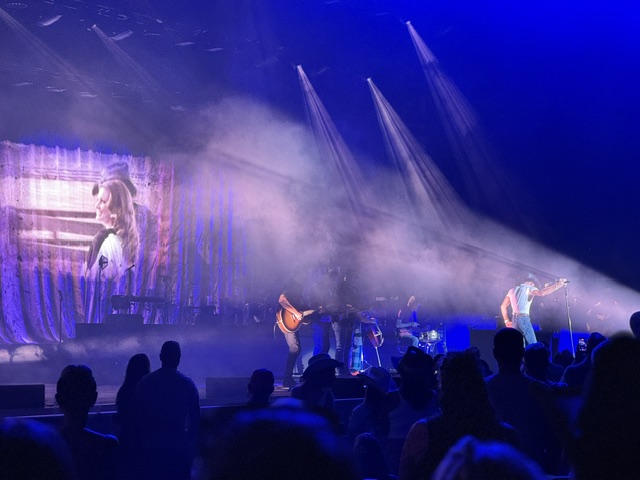
As Long Island Sounds has continued to grow, I have also found myself doing more traditional concert reviews. Tim McGraw is a perfect example. I was not granted permission to photograph the performance, but I was granted a review ticket. The camera stayed behind, but the opportunity to experience and document the concert through words was still there.
For me, that has become another part of the evolution of Long Island Sounds: understanding that there is more than one way to tell the story of a live performance.
Sometimes the Paperwork Decides
Before a photographer ever gets near the photo pit, there can also be another part of the process that audiences never see: the photo release.
Sometimes there is no release beyond the credential instructions. Sometimes the agreement is simple and straightforward.
Other times, photographers may be required to submit images for approval before publishing them.
And then there are what many photographers refer to as “rights grabs.”
These agreements can require photographers to submit their images for approval while granting the artist or organization broad rights to use the photographs after they have been provided. For many photographers, those terms can be a dealbreaker.
The opportunity to photograph a favorite artist can be exciting, but the photographs still represent the photographer’s time, experience, equipment, and creative work. Many photographers simply are not willing to surrender broad rights to their images in exchange for access to a concert.
It is one of the many decisions that happens long before the audience sees the first photograph.
A photo credential may say access granted, but the fine print can sometimes tell a much more complicated story.
The Walk to the Stage
There is another part of Jones Beach that most audience members probably never think about.
The stage entrance runs along House Left.
From the tour bus area, artists and members of the touring production can make their way along the far left aisle toward the entrance that leads to the stage-right stairway. For the average concertgoer, it is simply part of the venue’s layout. For someone who has spent time working in concert production and later photographing shows, it is another reminder of everything happening around the performance.
Of course, there is also another option.
Some artists can make their entrance by boat.
The alternate route involves a short ride from behind the stage to a small drop-off dock, providing a more discreet way to reach the stage area and avoid potential run-ins with concertgoers.
And just like that, the original spirit of the Jones Beach Marine Theater is still alive.
More than seventy years after Guy Lombardo and other performers made their entrances across the water, there are still times when arriving at Jones Beach by boat remains part of the experience.
More Than Just a Stage
That may be what makes Jones Beach so different.
It is not simply a building where concerts happen.
It is a place where the history of Long Island, the water, the weather, the sunset, the touring production, the audience, and the music all become part of the same experience.
For me, it has also become a stage in the story of Long Island Sounds.
As I began reaching beyond the local artists and tribute bands that helped establish the site, I started taking chances on larger artists and bigger touring productions. There were plenty of requests that went unanswered. There were certainly some that resulted in a no.
But there were also yeses.
Each one added another experience, another gallery, another story, and another opportunity to grow.
And sometimes the camera stayed in the bag while the notebook came out instead.
That is part of the journey too.
Long Island Sounds has grown from one photographer attempting to document the music around him into something larger—a platform that has been granted access to major artists and productions, has welcomed contributions from other photographers, and continues to evolve with every opportunity that comes along.
As another summer concert season begins to fade, Jones Beach remains one of those places that reminds me why I continue to ask.
You never know where the next yes will lead.
It might lead to the photo pit for three songs.
Maybe four.
It might lead to Front of House, House Left, or a review seat somewhere in the audience.
And at Jones Beach, if you’re really lucky, it might even involve a boat ride.
Just remember one thing if your tickets happen to be in Orchestra B:
Leave the good shoes at home.
📸 Long Island Stages
Documenting the venues, the stories, and the experiences that bring Long Island’s music scene to life.



 Long Island Sounds