 Posted by
 When people hear the opening notes of Hotel California, their minds immediately go to The Eagles—the unmistakable guitars, the layered harmonies, and one of the most recognizable recordings in rock history.
But behind every legendary album are people whose names rarely appear on the marquee. Producers, engineers, assistants, and countless others work behind the scenes to transform a musical idea into something timeless.
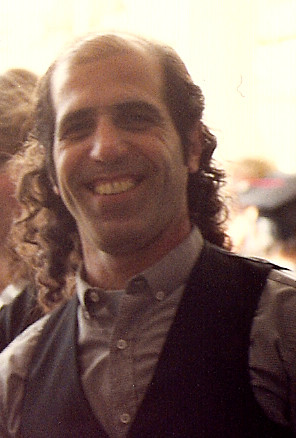
One of those people was Ed Mashal.
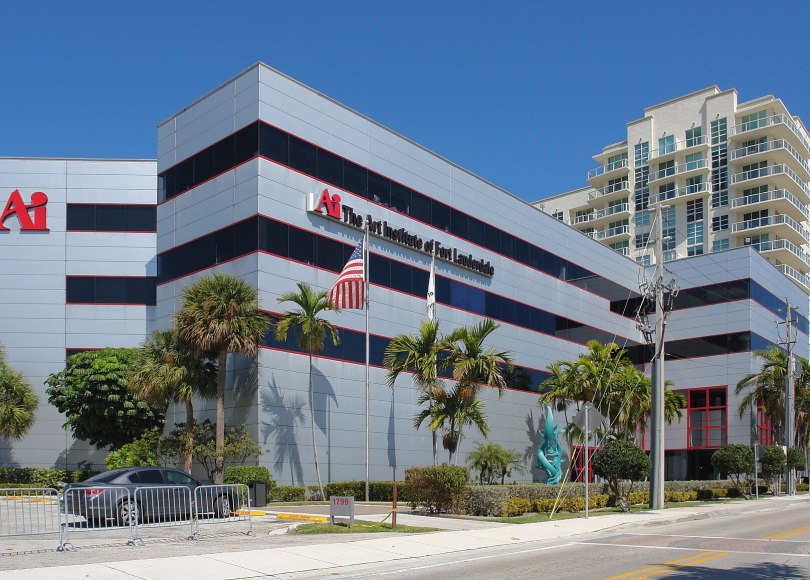
Before I knew his name, before I understood his place in recording history, and long before I realized that my future instructor had helped shape some of the most celebrated recordings of the classic rock era, I simply knew him as my Senior Audio instructor at the Art Institute of Fort Lauderdale.
And honestly, that was enough.
The Instructor Who Saw Something In Me
I attended the Art Institute of Fort Lauderdale from January 1990 through June 1991, completing six quarters of study focused on audio and video production as well as the Music Business. While the school offered multiple disciplines, my path was geared toward audio engineering rather than video production.
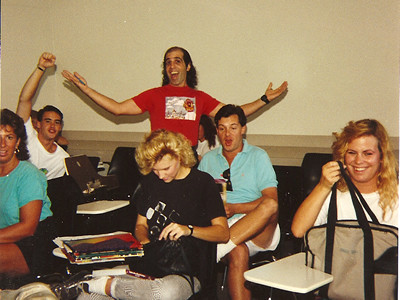
Ed Mashal taught Audio 3 & 4, as well as his personally constructed “Audio Honors” group, courses designed for students who were pursuing careers behind the console. His classes went far beyond learning which buttons to push. He taught us the fundamentals that every engineer needed to understand: signal flow, console operation, microphone techniques, levels, and the countless decisions that shape a recording.
One day, Ed stopped me in the hallway and asked:
“You’re attending my Audio Honors Group, right?”
Except it wasn’t really a question.
It was more of a statement.
I didn’t have to apply. I didn’t have to audition. Ed had already decided that I belonged.
Looking back, that moment says so much about who Ed was as an educator. He had an ability to recognize potential in people before they recognized it themselves.
Of course, Ed also knew how to keep his students grounded.
During Audio Honors sessions, he would challenge the class with questions about the audio console, asking about topics such as auxiliary sends, routing, and signal flow however he taught us different advanced techniques, simply yet technically advanced, tricks of the trade. Unfortunately, I had a habit of answering quickly—sometimes before giving everyone else a chance.
Ed’s response?
“Shut up, Rob.”
It was never meant negatively. It was Ed’s way of teaching patience. Audio engineering wasn’t just about knowing the answers. It was about listening, observing, and understanding why decisions were being made.
Those simple words became another lesson.
Learning From A Master Engineer
One of the most memorable experiences during my time with Ed was our class trip to Criteria Recording Studios in South Florida.
At the time, I knew we were visiting an important studio, but I don’t think I fully appreciated the history contained within those walls. Criteria was one of the legendary recording facilities of its era, and Ed knew those rooms intimately.
During the visit, instead of telling me to shut up, Ed had me sit at the piano while he instructed the class on proper microphone placement, panning techniques, and recording approaches, specifically for the piano!
I wasn’t simply watching a demonstration.
I was part of the lesson.
That moment represented Ed’s teaching style perfectly. He didn’t just lecture from a textbook. He wanted us to experience the process and understand how choices made in a studio could completely change the final recording.
Then came another unforgettable moment.
One day, Ed stopped me in the hallway and told me he needed to step away to take care of something with his car.
Then he casually said:
“Rob, I need you to teach my class this afternoon.”
Naturally, I was surprised.
I asked, “What are you teaching today?”
He gave me the direction I needed, and that afternoon I taught my first class on signal flow and adjusting levels.
Looking back, I realize Ed wasn’t simply asking me to fill in. He was giving me an opportunity. He trusted me enough to stand in front of his students and share what I had learned.
That trust meant more than he probably realized.
Bringing Recording History Into The Classroom
One of the things that made Ed’s Audio Honors sessions so memorable was that he brought the real world of professional recording directly to us.
He would bring in actual track sheets from recording sessions. For those unfamiliar with the process, track sheets were essentially the blueprint of a recording. They documented microphone selections, console settings, levels, effects, and the countless technical decisions made during a session. One such track sheet was “I Can’t Tell You Why” from the Eagles and how the delay was created.
These weren’t just pieces of paper.
They were a glimpse behind the curtain.
They showed us that great recordings weren’t accidents. They were carefully crafted through preparation, experimentation, and attention to detail.
Ed also shared stories about his experiences working alongside legendary producer Bill Szymczyk. One of Bill’s philosophies was simple:
Always be recording.
Bill believed that you never knew when something special was going to happen, so the tape needed to be rolling. Some of the most memorable moments in music history were not planned performances—they were moments that happened between takes.
One of the more humorous stories associated with The Eagles’ recording sessions involved Don Henley and Glenn Frey experimenting with lemons during vocal sessions. The studio story was that lemon juice helped affect their voices and contributed to achieving the distinctive vocal character associated with the band. At the end of the recording session, Bill put together an album of various “out takes” and gave the members and engineers involved a copy for the following Christmas. “Sucking Lemons” was one of those tracks and is quite humorous!
Whether fact or recording folklore, it represented something very real about the creative process: great artists and engineers were constantly experimenting and searching for ways to capture something unique.
The Engineer Behind The Eagles’ Sound
It wasn’t until my college roommate Eric mentioned Ed’s background that I truly understood who my future instructor was, before I actually met him.
We were young college students, spending evenings in our rooms drinking “abusively”, talking about classes, quizzing each other, and helping one another through the program. Eric was a semester ahead of me and helped me tremendously during my time there.
One evening, he told me about Ed’s recording history.
Suddenly, my future instructor became something much bigger.
Ed Mashal was a respected recording engineer who worked at Miami’s legendary Criteria Recording Studios during the golden era of 1970s rock. He collaborated closely with producer Bill Szymczyk and was part of the engineering team behind some of the most important recordings of that era.
Most notably, Ed worked with The Eagles during the recording of Hotel California, an album that would become one of the defining records of classic rock.
But his work with the band did not end there.
Ed also continued working with Bill Szymczyk on The Eagles’ 1979 album, The Long Run. And prior to Hotel California, One of These Nights. His contributions helped capture the sound of a band at the height of its creative power.
Songs such as “Heartache Tonight” and “Lyin’ Eyes” would go on to receive Grammy recognition, with awards presented to The Eagles in their respective performance categories.
For listeners, those awards celebrated the artists who performed the songs—and rightfully so. But behind those performances were engineers like Ed, whose technical skill, creativity, and attention to detail helped bring those recordings to life.
The recording engineer rarely stands in the spotlight.
They are the person behind the glass, shaping tones, balancing performances, and preserving moments that eventually become part of music history.
That was Ed’s world.
“Radar”
Among his colleagues, Ed earned a nickname he wasn’t particularly fond of: “Radar.”
The name came from the character Radar O’Reilly from the television series MASH*. Much like the character, Ed had an uncanny ability to anticipate what was needed before anyone said a word.
Producer Bill Szymczyk recognized that quality in him.
Ed always seemed to know what was coming next.
And knowing Ed as a teacher, that made perfect sense.
He could read a recording session.
He could read a room.
He could read his students.
Remembering A Hero
Despite knowing his impressive background, I never treated Ed like a celebrity. I never wanted every conversation to become an interview about The Eagles.
Our conversations were always casual.
I once asked him how crazy Joe Walsh was.
Ed simply replied:
“Joe was Joe.”
And honestly, that was all that needed to be said.
Ed Mashal passed away on June 3, 2013, leaving behind an incredible legacy in the recording world and countless students who were fortunate enough to learn from him.
For me, he wasn’t just the engineer who worked on legendary albums.
He was the instructor who stopped me in a hallway and told me I belonged.
He was the teacher who trusted me to lead a class.
He was the mentor who pushed me to understand not only how audio worked, but why it mattered.
Today, when I hear Hotel California, I don’t just hear The Eagles.
I hear the countless hours of preparation, creativity, and craftsmanship that happened behind the glass.
I think about the engineers, producers, and technicians who helped shape music history.
And I think about Ed Mashal.
A man who worked behind the scenes, helped create some of the greatest recordings of a generation, and still found time to inspire a student who was simply trying to learn.
Thank you, Ed.
You will always be one of my heroes.
 Long Island Sounds